Operations: making innovations work
A flexible and eager-to-learn operations team is essential for transforming scientific innovations into reliable procedures.
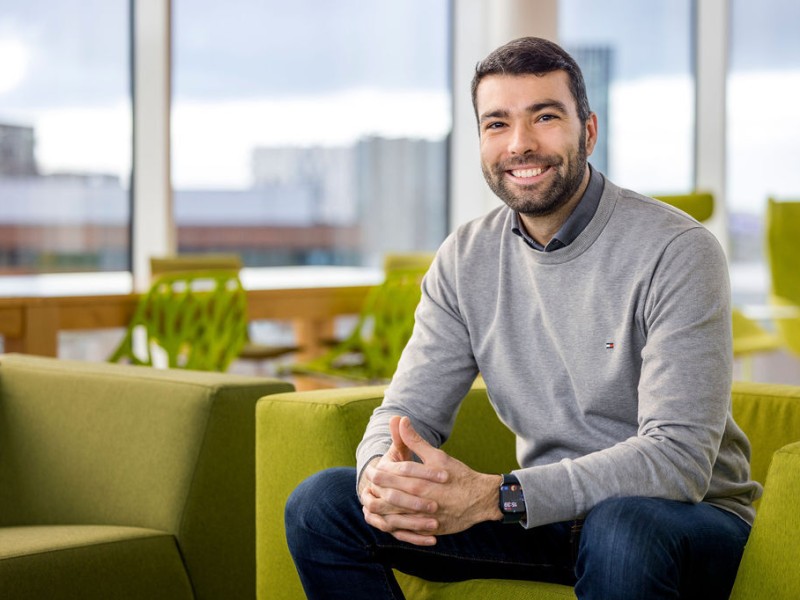
‘When I saw the theme of this annual report, “where innovation meets application,” my first thought was: that’s what our Operations team is all about,’ says Dr Maurits Vissers, Head of Operations. ‘Our scientific colleagues are constantly developing new methods to meet the needs of our customers. To validate and reliably implement these novel methods across different therapeutic areas, we need a highly skilled, adaptable team that embraces continuous learning.’
Challenge
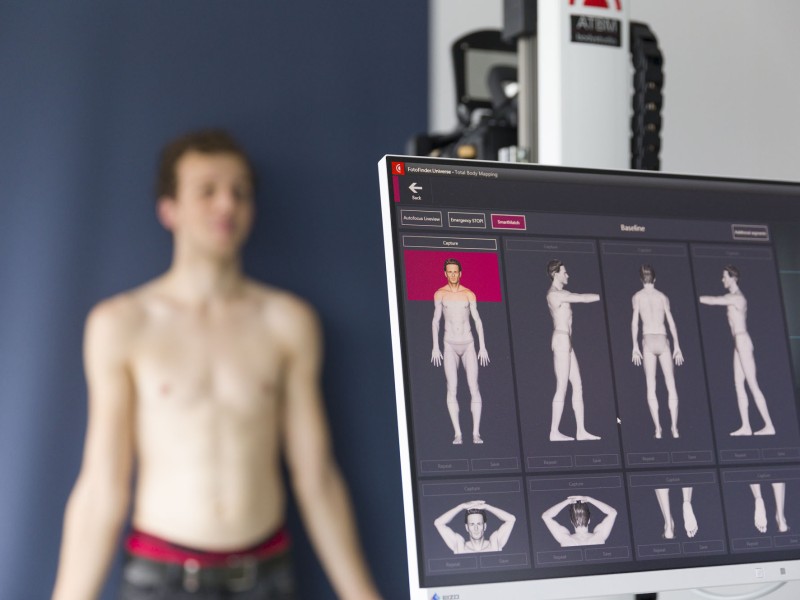
Each year, this CHDR Annual Report showcases numerous new developments. Vissers makes it clear that bringing such a newly developed measurement from bench to bedside can be a real challenge: ‘It’s one thing to get a measurement to work in an experimental setup, but that doesn’t mean you can immediately use it on a larger scale. For example, a laboratory test that only one technician can perform properly isn’t yet suitable for a clinical study, where that test may need to be performed daily, at different times of the day and night.’
Another crucial step is transforming an exploratory measurement into a validated, robust method that clients can trust for decision-making. ‘It’s not enough to develop the initial measurements into a standard operating procedure,’ says Vissers. ‘It’s equally important to carefully test and validate each new method, and see to it that our operational teams are fully trained and confident in using it, to ensure the highest data quality.’
Team
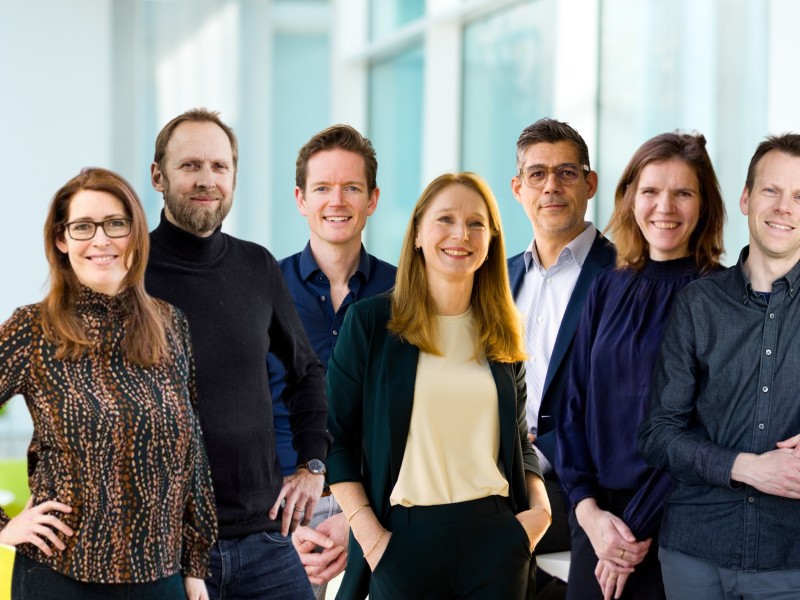
‘To be an innovative CRO – which is our core competence – we need a team that’s always at the forefront,’ says Vissers. ‘People who, for each unique new project, take a moment to consider exactly what needs to be done, what the consequences are for their part of the chain, and who needs to be trained. People who understand the regulatory implications of innovation, who can adapt quickly under tight timelines in a complex, highly regulated environment, often while managing more than ten projects simultaneously. I am proud to say that we have such a team.’
According to Vissers, maintaining this high standard depends on continuous learning and development. ‘Not only do we need to hire and onboard the right people and ensure they stay, but we also need to continuously educate ourselves,’ he says. ‘That’s what makes it fun to work here: you’re constantly learning new things, both on the job and through targeted training. In phase one clinical drug development, things always turn out differently than you initially thought. If you can handle that, and you like to learn something new every day, then you’ll fit right in with us.’
Interested in learning more?
More articles from 2025 stories